
The Woman I’m Still Becoming After Loss

I’m sitting at my kitchen table as I write this.
It’s quiet. The kind of quiet that feels different now than it used to. The dogs are nearby—one under my feet, the other stretched out in the hallway. Mike’s in the other room scrolling and watching something he loves, and I have zero interest in. Twenty-eight years in, we’ve accepted our TV tastes will never align.
This house is just ours again. The kids have moved on to their own lives, their own spaces. Some days it feels too quiet. Other days it feels exactly like what we needed. We’re learning to be just us again after all these years.
If you’re new here, I want to tell you who I am beyond the grief posts. Because grief is a big part of my story—but it’s not the only part.
I’ve been married to Mike for 28 years. Twenty-eight years of figuring each other out, getting it wrong, getting it right, and deciding to keep showing up anyway.
We raised triplets. Yes, triplets.
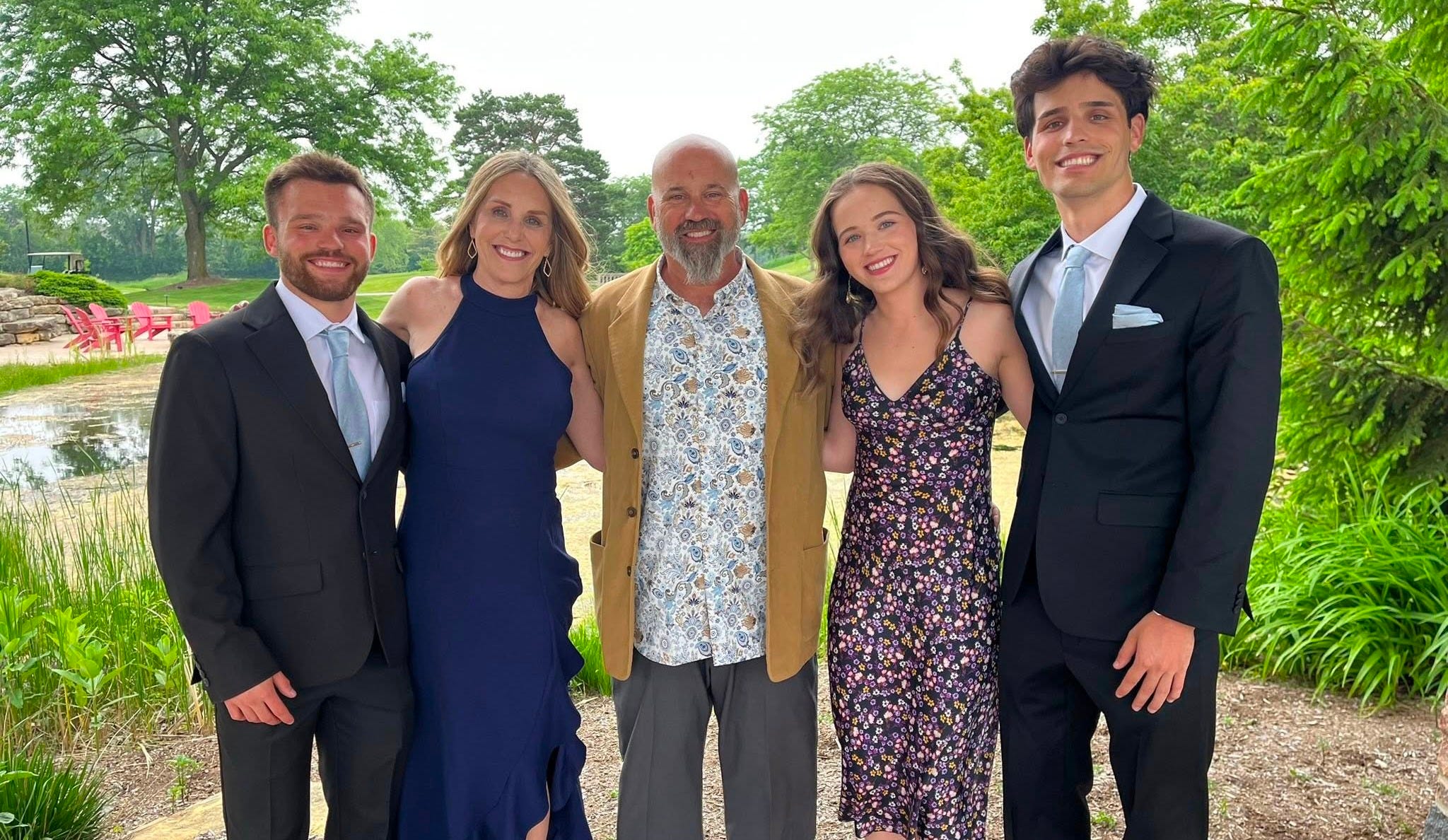
Ainslie, Parker, and Colin are 24 now—fully formed humans with jobs and opinions and lives that don’t revolve around me anymore. Which is exactly how it should be, even if there are moments I’d give anything to have them all under one roof again.
People always lead with the triplet thing when they talk about me. Like it explains everything. And maybe it explains some things—the triage skills, the ability to hold three conversations at once, the fact that I can pack a car like I’m playing Tetris. But it doesn’t explain everything.
I’m 53. Still building. Still figuring out who I am now that so much has changed.
I have two brothers and a sister. My sister and I are close—the kind of close where you don’t have to explain things, where you can say half a sentence and she knows exactly what you mean. We went through everything together. And I mean everything.
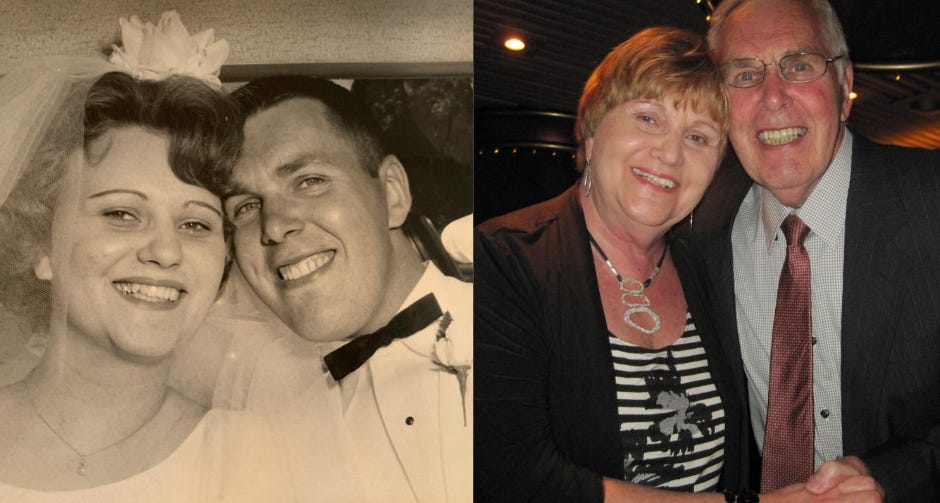
My parents were married for 56 years. Fifty-six. The kind of marriage most people could only dream of. They were best friends and were unshakeable in their love for each other. My dad was the strong, quiet type—the guy who fixed things and didn’t complain. My mom was positive, warm, everyone’s best friend and the best listener you could ask for—the person who made everything feel manageable even when it wasn’t.
Growing up with parents like that, I always felt like I wasn’t alone in life. I had that soft place to land. That certainty that if things got hard, they’d help me figure it out.
And then things got hard.
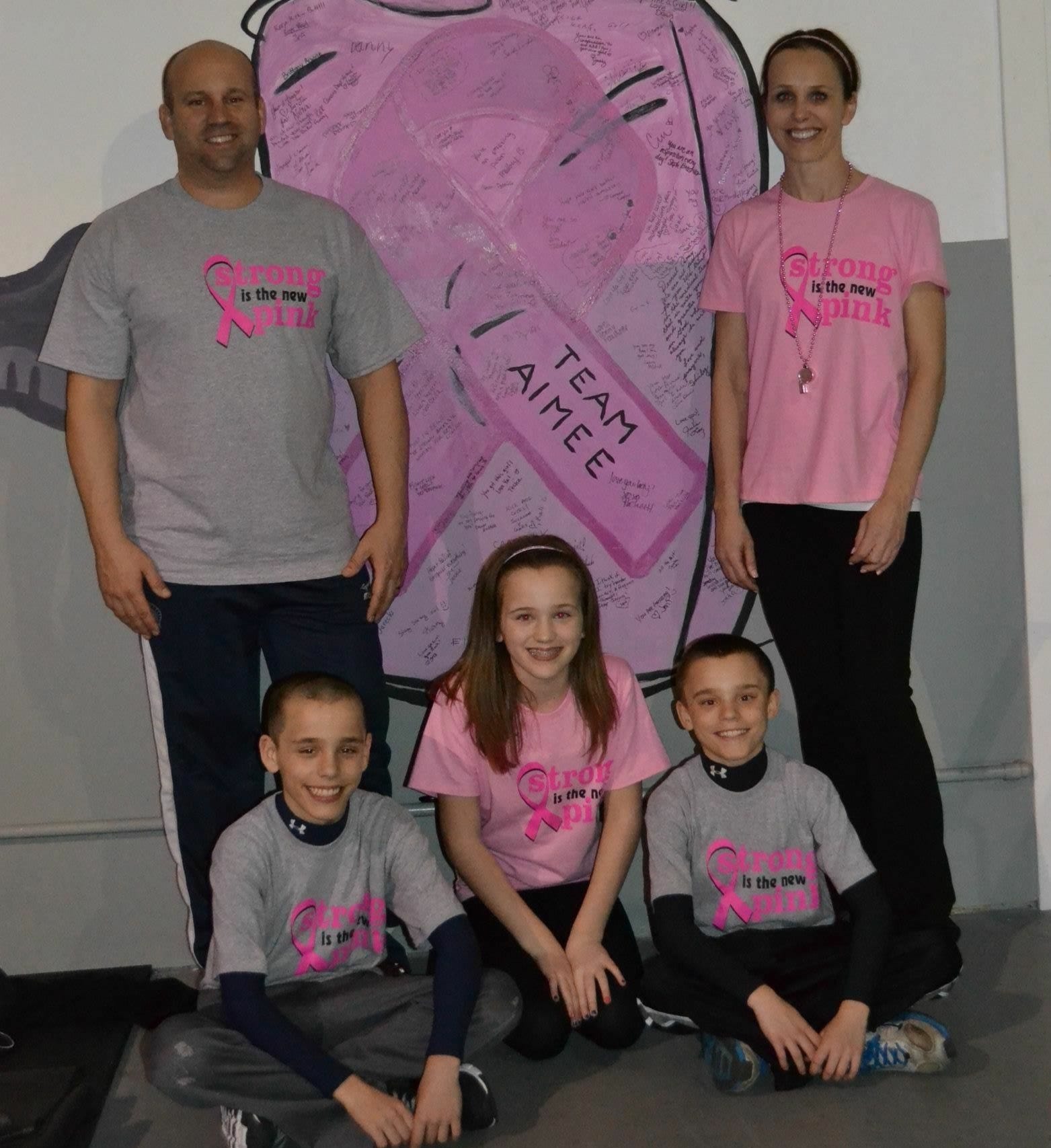
Before my mom got sick, before my dad, before everything fell apart—I was diagnosed with breast cancer.
My mom was my rock through it. She let me cry. Let me scream. Let me be angry. She never once told me to be positive or look on the bright side or any of that garbage people say when they don’t know what else to do. She just sat with me and let me feel it all.
I had surgery. I went through treatment. I survived.
And I thought that was the hard part.
Seven years ago, my mom was diagnosed with lung cancer.
I remember sitting in that small hospital room—my mom and all my siblings—when the doctor said stage 4 lung cancer. My body went numb. I felt like I was having an out of body experience. My mom, who otherwise was completely healthy—how did she have stage 4 lung cancer?
And just like that, I was now on the other side of it.
Now real life was appointments, scans, small beige rooms with fluorescent lighting, treatments, paperwork that took forever to fill out, doctors who talk too fast and use words you have to Google later.
My siblings and I did this together. We managed medications, drove to appointments, asked the questions our mom was too tired to ask.
One day I was her daughter, the next I was helping her eat, bathing her, lying awake at night listening to her breathe.
Then came the decision to bring hospice in.
And even in the middle of it all, she was still her.
She would wake up in the morning and tell us she had been flying all night. That she met the most interesting people. That she had gone somewhere new. Sometimes she described it like something out of Peter Pan—like she had floated off somewhere magical while the rest of us were asleep.
We would just laugh. It made us happy. We loved hearing her stories every morning.
After she passed away, my sister and I talked about that a lot. About how maybe she really was flying somewhere new. About how Peter Pan will never just be Peter Pan to us again.
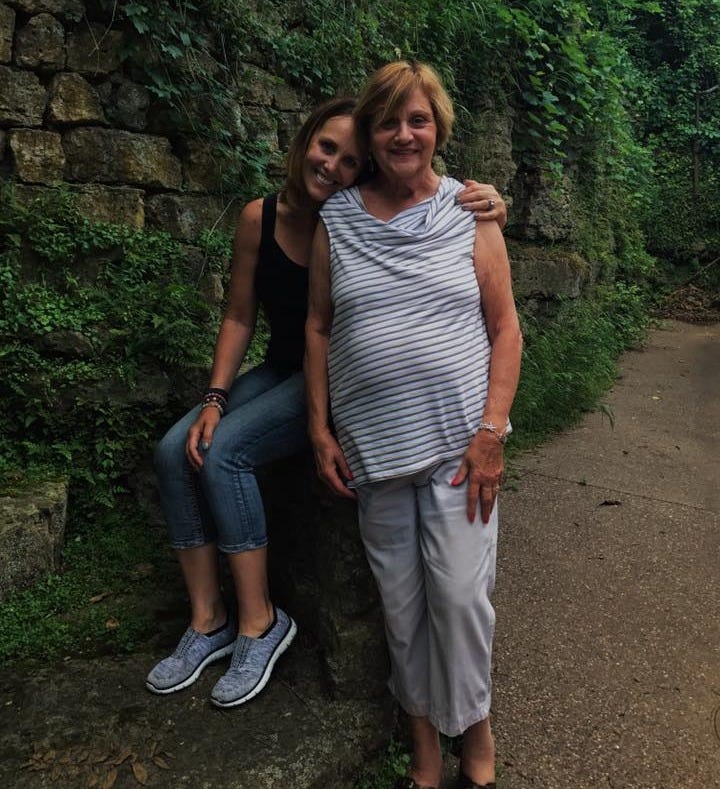
That was her. Even when she was sick. That was her heart. She still had wonder in her.
The days that followed were both the slowest and fastest of my life.
I stayed with her until her last breath.
Five years ago, she died. And I became someone who used to have a mom.
My dad was lost without her. After 56 years together, he didn’t know how to be in the world without his best friend. So, my siblings and I stepped in. We took care of him for three years. Three years of watching someone who had always been strong slowly lose the sharpness that defined him. Three years of being the people he leaned on, the ones who managed things, the ones who showed up even when we didn’t know what we were doing.
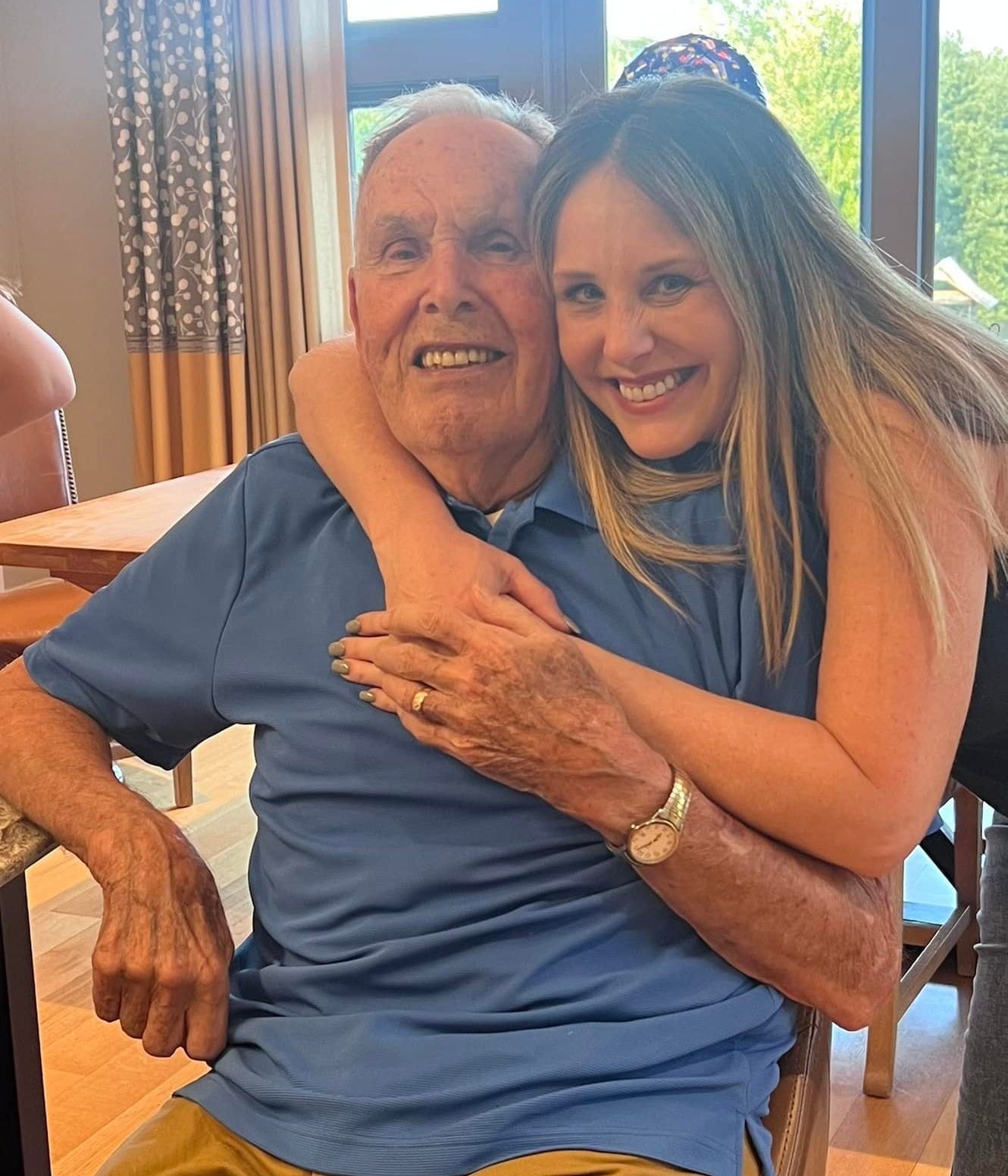
Two years ago, I held my dad’s hand for the last time.
And that’s when it hit me: I wasn’t just grieving two people. I was grieving an entire identity.
I was no longer someone’s daughter in the active, ongoing sense. I was orphaned at 51—a word that felt both absurd and devastatingly accurate.
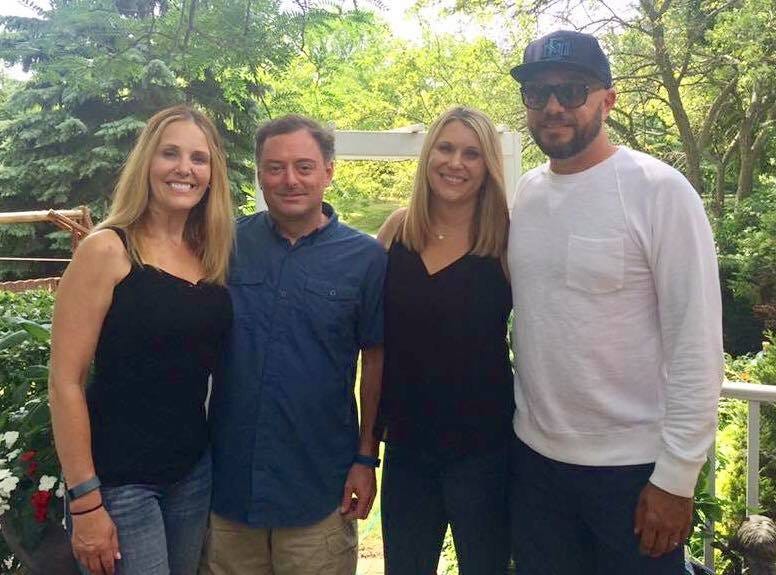
I was learning to live with their losses. I felt like I was managing, like life was moving along, kids were happy, Mike and I were learning how to be empty nesters, work was going well and I was finding happiness in life again.
And then I got sick again.
A portal vein thrombosis. Scary. Sudden. The kind of thing where you’re in the hospital and doctors are using words like “serious” and “monitoring” and you’re trying to stay calm but inside you’re terrified.
And the only person I wanted was my mom.
It was the first time I’d been really sick without her. The first time I couldn’t call her and hear her voice and know that she’d sit with me through it, no matter what.
I never realized how much that would affect me. How much I’d feel her absence in my body, in the fear, in the hospital room. I had Mike. I had my sister. I had people who loved me.
But I didn’t have my mom.
And that changed something in me I’m still trying to understand.
I’ve lived caregiving. I’ve lived survival—more than once. I’ve lived marriage through all of it—the stress, the exhaustion, the days when neither of us had anything left to give and we still had to figure out dinner. I mothered adult children through it, trying to hold it together for them even when I felt like I was barely standing.
But I kept standing. Not because I’m strong in some extraordinary way. Just because that’s what you do. You get up. You make coffee. You answer the phone. You show up.
Until one day you realize: you’re still here. And so is your life.
I started writing because I needed somewhere to put what I was living. At first, it was just for me. A way to process. A way to get the noise out of my head and onto a page where I could look at it and maybe make sense of it.
But then it grew.
Other people started reading. And they told me: This is exactly how I feel. They told me: No one talks about this part. They told me: Thank you for saying it out loud.
Writing became connection. Grief opened the door—but it’s not the only thing I live. And it’s not the only thing I want to write about.
This blog is about loss. But it’s also about love. It’s about marriage in midlife when you’ve weathered everything together and found something even stronger on the other side. It’s about parenting adult children—watching them become people you’re genuinely proud of, navigating the strange shift from “taking care of them” to “cheering them on from the sidelines.”
It’s about aging. About caregiving. About reinvention. About faith, honestly explored—not the tidy Sunday school version, but the real one, the one that holds doubt and questions right alongside belief.
It’s about sisterhood—the kind that gets you through the worst days of your life. It’s about family, the messy and beautiful parts of it.
It’s about life after everything shifts. When the version of yourself you thought you’d be doesn’t exist anymore, and you have to build something new from what’s left.
I’m going to write about all of it. Some of it will be raw. Some of it will be real in ways that might make you uncomfortable. Some of it might even be funny, because grief and joy live closer together than we like to admit.
I’m not interested in writing the sanitized version of any of this. I’m interested in writing what’s true.
If you’re grieving, you’re welcome here.
If you’re in midlife trying to find yourself again, you’re welcome here.
If you’re holding a lot at once—loss and love and logistics and exhaustion and hope and confusion—you’re welcome here.
I’m still learning how to live this version of my life.
Maybe you are too.
I’ll be here at this kitchen table, writing it out as I go.
And I’m really glad you’re sitting here with me.
💗Aimee